
Designing Plastic Parts for Vacuum Forming: Key Considerations for Engineers
Designing products for vacuum forming requires a clear understanding of how the manufacturing process shapes plastic materials and how design decisions affect the performance of the final component. For engineers and product designers, careful planning at the design stage can improve product quality, reduce production costs, and ensure parts are manufactured efficiently.
Vacuum forming is widely used across manufacturing industries to produce durable plastic components, packaging trays, and protective housings. However, the success of a vacuum formed product depends heavily on how well it has been designed for the process. By understanding the key considerations involved in designing plastic parts for vacuum forming, engineers can develop components that are easier to manufacture and perform reliably in their intended application.
For businesses exploring this manufacturing method, working with an experienced supplier of vacuum forming services can help ensure designs are optimised for efficient production.
Understanding the Vacuum Forming Process
Vacuum forming is a manufacturing process in which a heated plastic sheet is placed over a mould and shaped using vacuum pressure. As the plastic softens, it conforms to the contours of the mould, creating a precise three-dimensional form.
Once the plastic has cooled and solidified, excess material is trimmed away to create the finished component. This process allows manufacturers to produce a wide range of plastic products, from industrial housings and machine covers to protective packaging trays and transport containers.
Because vacuum forming shapes material over a mould rather than injecting plastic into a closed cavity, certain design principles must be followed to ensure the plastic forms correctly and the finished product can be removed from the mould without difficulty.
Many manufacturers rely on custom vacuum formed packaging and trays to protect components during transport and storage.
Draft Angles and Part Release
One of the most important factors in vacuum forming design is the inclusion of appropriate draft angles. Draft refers to the slight taper applied to the vertical walls of a component to allow the formed part to release from the mould after cooling.
Without sufficient draft, the plastic can grip the mould, making it difficult to remove the finished component without damage. In most vacuum forming applications, engineers incorporate draft angles of several degrees to ensure reliable part release.
Designing with draft in mind also helps maintain consistent wall thickness and prevents stress points within the formed plastic. This small design adjustment can significantly improve manufacturing efficiency and product quality.
Managing Wall Thickness
Wall thickness plays an important role in the strength and performance of vacuum formed plastic parts. During the forming process, plastic stretches as it conforms to the mould shape. Areas that stretch more may become thinner than others, which can affect structural integrity.
Engineers must consider how material distribution will change during forming. Sharp corners or deep draws may result in thinner sections, which can weaken the final component.
By designing parts with smooth transitions and controlled depths, it is possible to maintain more consistent wall thickness throughout the product. This helps ensure the finished component remains durable while avoiding unnecessary material usage.
These principles are especially important when producing industrial plastic components or protective housings.
Avoiding Sharp Corners and Complex Geometry
Vacuum forming works best with smooth shapes and gradual transitions. Sharp internal corners or highly complex geometries can create difficulties during the forming process because plastic may not flow evenly into these areas.
Rounded corners and generous radii allow plastic sheets to form more naturally around the mould. This reduces stress in the material and improves the overall strength of the finished part.
Designing components with vacuum forming in mind often involves simplifying certain geometric features while maintaining the functional requirements of the product.
Material Selection and Performance
The material selected for a vacuum formed product has a significant impact on its performance and durability. Different plastics offer different characteristics, which means engineers must select materials that match the operational requirements of the final product.
Common plastics used in vacuum forming include ABS, HIPS, PETG, and HDPE. Each offers specific advantages depending on the application. ABS is known for its strength and impact resistance, making it suitable for industrial housings and equipment covers. HIPS is frequently used for packaging applications because it is lightweight and cost-effective. PETG provides clarity and chemical resistance, while HDPE offers excellent durability and moisture resistance.
Selecting the right material ensures that the final component performs reliably while remaining suitable for efficient manufacturing.
Material selection also plays an important role when designing vacuum formed trays used within manufacturing supply chains.
Considering Trimming and Finishing
After the vacuum forming process, excess plastic surrounding the moulded shape must be removed. This trimming stage is an important consideration during the design process.
Engineers should design parts in a way that allows trimming tools to access the edges of the formed component easily. Proper planning of trimming lines helps ensure clean edges and consistent dimensions across production runs.
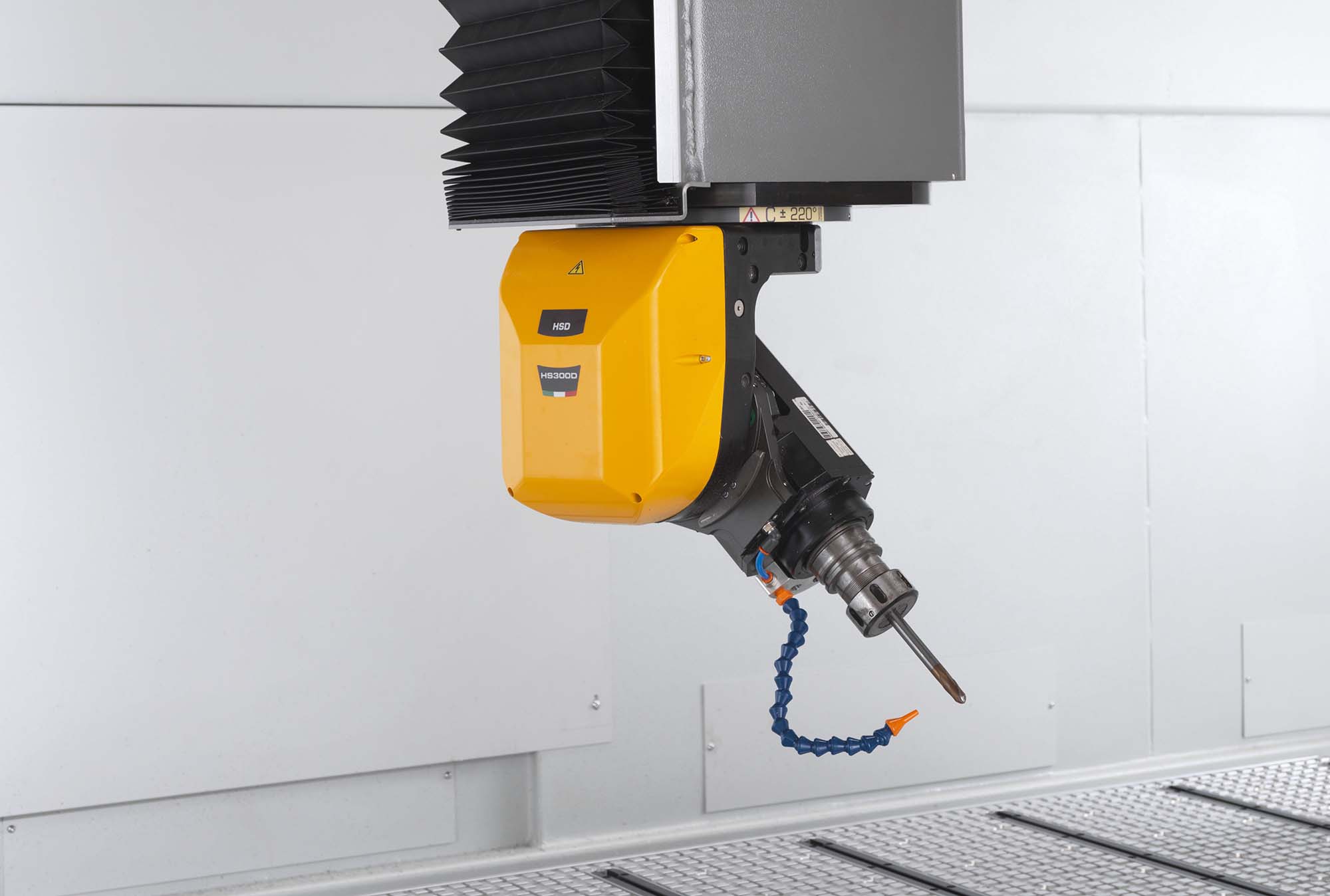
In many applications, precision trimming techniques such as CNC trimming are used to produce accurate and repeatable results.
Designing for Efficient Manufacturing
Successful vacuum forming design balances product performance with manufacturing efficiency. Components that are designed with the forming process in mind are easier to produce, more consistent in quality, and more cost-effective to manufacture.
Engineers who collaborate with experienced manufacturers during the design stage can benefit from practical insights into tooling, material behaviour, and production processes. Early collaboration helps identify potential design challenges and ensures the final product can be manufactured reliably at scale.
Businesses developing packaging systems may also benefit from exploring returnable packaging solutions for manufacturing supply chains.
Expert Support for Vacuum Forming Design and Manufacturing
Designing plastic components for vacuum forming requires both engineering expertise and an understanding of the manufacturing process. Working with an experienced vacuum forming partner can help ensure that product designs translate effectively into reliable, high-quality components.
Plastic Mouldings Northern provides specialist vacuum forming services for industrial products, packaging solutions, and custom plastic components. By working closely with engineers and product designers, the team helps optimise designs for manufacturability while ensuring products meet the performance requirements of their intended application.
If your business is developing vacuum formed plastic parts, packaging trays, or industrial components, Plastic Mouldings Northern can provide expert guidance throughout the design and manufacturing process. Get in touch to speak to a member of our team today.