
What Products Can Be Made Using Vacuum Forming?
Vacuum forming is one of the most versatile plastic manufacturing processes used across modern industry. By heating a plastic sheet and forming it over a mould using vacuum pressure, manufacturers can produce lightweight, durable and cost-effective plastic components with consistent results. The process is widely used across sectors including manufacturing, automotive, logistics, and retail because it allows businesses to create complex shapes while keeping tooling costs relatively low compared with alternative production methods.
Vacuum forming supports an impressive range of products, from protective packaging and storage trays to industrial housings and retail display components. For businesses looking for vacuum formed plastic products or custom packaging solutions, the process offers a flexible and scalable manufacturing option that can be tailored to the specific needs of the product and production environment.
Custom Vacuum Formed Packaging
One of the most common applications of vacuum forming is custom packaging and protective trays. Many manufacturers rely on vacuum formed packaging to safely transport components between production facilities, warehouses, or assembly lines.
Vacuum formed trays are designed to securely hold parts in place, preventing movement during transport and reducing the risk of damage. Unlike generic packaging, custom trays are moulded specifically around the shape of the product they are designed to carry. This ensures consistent positioning, better protection, and improved organisation during handling.
Typical examples include component trays used within manufacturing environments, protective packaging for delicate items, and trays designed to store tools or equipment. These packaging solutions can also be reused within supply chains, helping to improve efficiency and reduce waste over time.
Industrial Plastic Components
Vacuum forming is widely used to manufacture industrial plastic parts and protective components. The process is particularly suitable for producing large or medium-sized components that require strength, durability, and consistent shape.
Common examples include machine guards, equipment housings, protective covers, and industrial panels. These components are often used to protect sensitive equipment, improve workplace safety, or provide structural enclosures for machinery.
Because vacuum forming tooling is typically less expensive than other moulding processes, it is well suited for medium production runs where businesses need high-quality parts without the high tooling costs associated with injection moulding. This makes it an attractive solution for manufacturers developing specialist equipment or industrial systems.
Automotive and Transport Components
The automotive and transport sectors frequently use vacuum formed plastic components due to the process’s ability to create strong yet lightweight parts. Vacuum forming allows manufacturers to produce consistent shapes that meet the durability requirements of transport applications while keeping production efficient.
Examples of vacuum formed automotive components include interior panels, protective trim elements, storage compartments, and protective covers used within vehicles or transport equipment. These parts often require precise shaping and repeatability, which vacuum forming can deliver when combined with accurate tooling and trimming processes.
The flexibility of the process also allows manufacturers to produce customised components designed to integrate with existing vehicle systems or equipment layouts.
Retail Displays and Product Presentation
Vacuum forming is also widely used within retail environments to produce display components and presentation packaging. The process allows manufacturers to create consistent shapes that help showcase products effectively while protecting them during transport and storage.
Retail display inserts, product trays, and point-of-sale components are commonly produced using vacuum forming. These products can be designed to hold items securely while presenting them in an organised and visually appealing way.
Because vacuum formed components are lightweight and durable, they are particularly suitable for retail display systems that require regular movement, installation, or reconfiguration within stores.
Protective Transit Packaging for Manufacturing
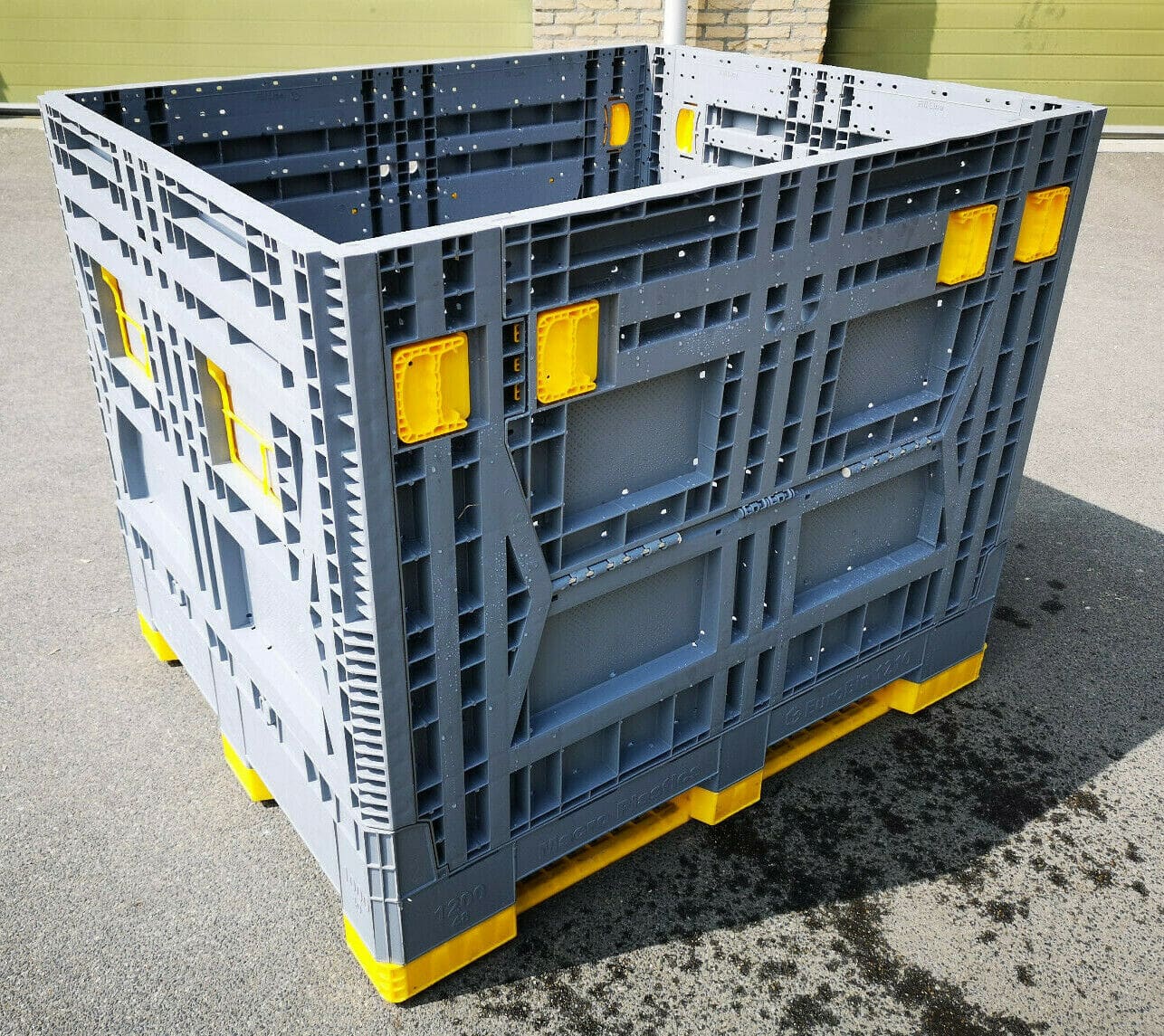
Within manufacturing supply chains, vacuum forming is frequently used to produce protective transit packaging designed to move components safely between production stages. These packaging solutions are often customised to match the exact shape and dimensions of the parts they protect.
Transit trays can be designed for stacking, automated handling, or integration with assembly systems, helping to improve efficiency within production environments. By keeping components securely positioned, vacuum formed trays reduce the risk of damage and help maintain product quality throughout the supply chain.
Many businesses also use returnable packaging systems, where vacuum formed trays are reused multiple times within manufacturing operations. This approach can help reduce packaging waste while supporting more efficient logistics processes.
Why Vacuum Forming Is Suitable for So Many Products
One of the main reasons vacuum forming is used across so many industries is the flexibility of the process. Compared with some alternative plastic manufacturing methods, vacuum forming offers a combination of design freedom, cost efficiency, and scalability.
Tooling costs are generally lower than those required for injection moulding, making vacuum forming suitable for short-to-medium production runs where investment in complex tooling may not be practical. The process also allows manufacturers to produce larger parts or components that would be difficult or costly to create using other methods.
Material selection also plays an important role. Plastics such as ABS, HIPS, PETG, and HDPE can all be used depending on the strength, durability, and environmental resistance required for the final product.
Working with an experienced vacuum forming manufacturer, such as Plastic Mouldings Northern Ltd, allows businesses to choose the most appropriate material, design, and production approach for their application.
Custom Vacuum Forming Solutions for Industrial Products and Packaging
If your business requires custom vacuum formed products, packaging trays, or industrial plastic components, working with an experienced manufacturer can make a significant difference to product quality, efficiency, and long-term costs.
Plastic Mouldings Northern Ltd specialises in delivering vacuum forming solutions tailored to manufacturing and logistics environments. From protective transit packaging and reusable trays to complex plastic components, the team works closely with customers to design and produce solutions that meet the exact requirements of each project.
With extensive experience supporting industries such as manufacturing, automotive, and logistics, PMN provides reliable vacuum forming services that help businesses protect products, improve handling efficiency, and streamline production processes.
If you are exploring vacuum forming for packaging, industrial components, or custom plastic products, speak to the team at Plastic Mouldings Northern Ltd today to discuss your project requirements.
Frequently Asked Questions
What products are made using vacuum forming?
Vacuum forming is used to manufacture a wide range of plastic products including protective packaging trays, industrial equipment housings, automotive components, retail display inserts, and transit packaging used within manufacturing supply chains.
What industries use vacuum forming?
Vacuum forming is commonly used in industries such as automotive manufacturing, logistics and warehousing, retail display production, electronics manufacturing, healthcare equipment, and general industrial manufacturing.
Is vacuum forming suitable for packaging?
Yes. Vacuum forming is widely used to create custom packaging solutions such as trays and inserts that securely hold products during storage and transportation.
What materials are used in vacuum forming?
Common plastics used in vacuum forming include ABS, HIPS, PETG, and HDPE. The choice of material depends on factors such as strength requirements, durability, and environmental resistance.
What are the advantages of vacuum forming?
Vacuum forming offers several advantages including lower tooling costs compared with injection moulding, design flexibility, suitability for medium production volumes, and the ability to create lightweight but durable plastic components.